





DevOps Course in Telugu (తెలుగు) with GenAI and Placement Support
 100% Placement Assistance


-
 DevOps Course in తెలుగు curated with Generative AI Tools
-
Beginner to Advance Level DevOps Training Placement Support with 400+ Hiring Partners
-
This course is best suited for freshers, IT or Non IT and those who want to start career in DevOps
-
Learn DevOps in తెలుగు online from experts with 10+ years industrial experience and learn tools like Git, Jenkins, and Docker
-
Enhance your DevOps expertise and future-proof your career with AI-driven workflows

DevOps Coure in Telugu - Key Features
-
 Learn DevOps Course with తెలుగు
-
150+ Hours of live instructor-led training
-
100+ Hours of Practical Assignments
-
4 Interview calls every month until you get placement
-
Expert Career Services to Help You Land a Job
 Learn DevOps Course with తెలుగు
-
Assured Minimum Package 5-25 LPA
-
3 Capstone Projects
-
Dedicated Mentor for Instant Doubt Clarification
-
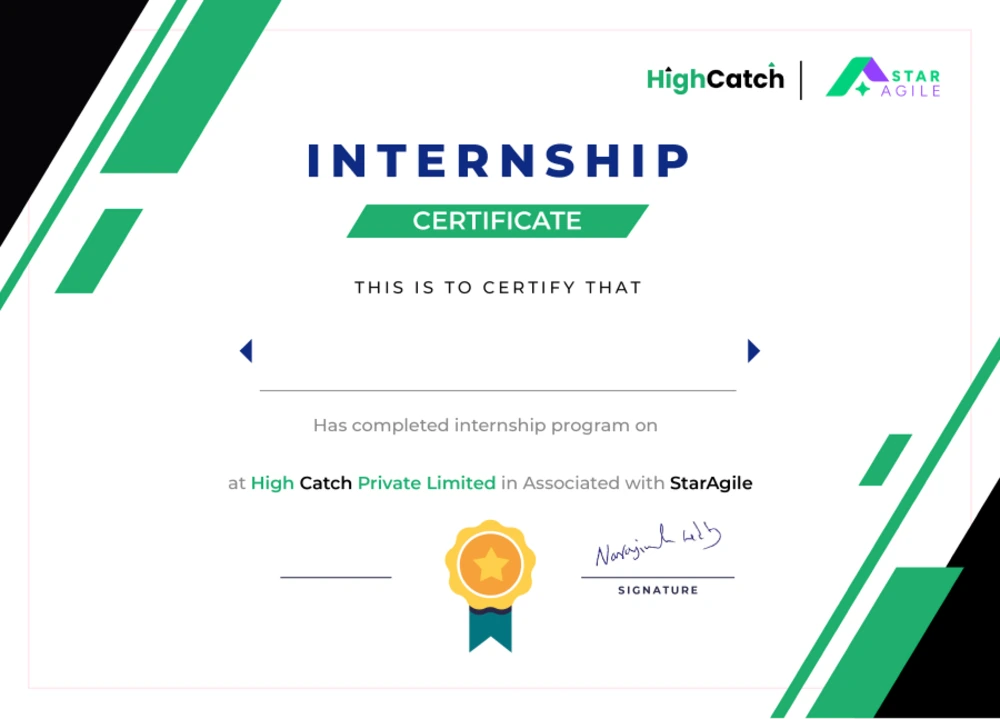
6 Months Internship Certificate
Significant Demand Growth
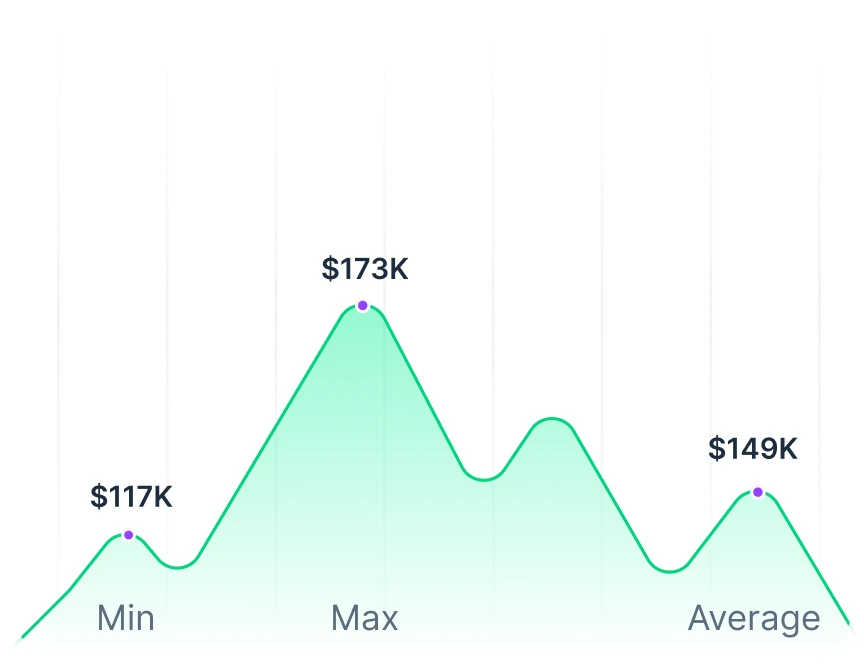











Cloud Engineer roles
Career Transformation



Testimonials
Let's walk you through the journey at StarAgile


- Module 1
- Module 2
- Module 3
- Module 4
- Module 5
- Module 6
- Module 7
- Module 8
- Module 9
- Module 10
- Module 11
- Module 12
- Module 13
- Module 14
- Module 15
Introduction to Cloud Computing
• What is Cloud Computing
• Advantages of Cloud Computing
• Types of Cloud Computing Based on Service and Deployment Models
• Overview of AWS
• Regions and Availability Zones
• Global Infrastructure
Computer Service Overview
• Introduction to Amazon EC2 Amazon EC2
• Part Console Demonstration
• Features of EC2
• AMI Instance Type
• Instance Purchasing Options
• Public IP, Private IP, Elastic IP
• Instance Lifecycle
• Placement Groups
• Security Groups
• Key Pair
• EC2 Product Demonstration (LAB)
• Knowledge Check
Elastic Block Stores
• Introduction to EBS
• Benefits of Having EBS EBS Volume types
• Encryption (Data Security)
• Root and Data Volumes Life Cycle Manager
• AMI vs. Snapshots
• EBS Product Demonstration (LAB)
• Knowledge Check
Note: Practical sessions are integrated with each module for hands-on learning
➢ Elastic File System
• Introduction to EFS
• Comparison between EBS and EFS
• Mount Targets
• Supporting Operating Systems
• Performance and Throughput in EFS
• Benefits of having EFS
• EFS Product Demonstration (LAB)
• Knowledge Check
Simple Storage Service
• Introduction to S3
• Bucket and Object
• Object Versioning
• Server Access Logging
• Multipart Upload
• Object Lock
• Data Encryption
• Static Website Hosting
• Understanding S3 Durability and Availability
• Storage Classes
• Types of Storage Classes
• Life Cycle Management
• Cross Region and Same Region Replication
• Introduction to Cloud Front
• S3 Product Demonstration (LAB)
• Knowledge Check
Virtual Private Cloud
• Introduction to VPC
• Understanding CIDR
• Default and Non-default VPC
• Components of VPC
• VPC and Subnet Sizing
• Security in Amazon VPC
• VPC Flow Logs
• Security Groups
• Network Access Control Lists (NACL)
• Route Tables
Note: Practical sessions are integrated with each module for hands-on learning
• Internet Gateway
• Network Address Translation
• VPC Peering
• Introduction to VPN and Direct Connect
• VPC Product Demonstration (LAB)
• Knowledge Check
Database Services
• Introduction to RDS
• Types of Database Engines in RDS Database Subnet Group
• Database Read Replicas
• Manual and Automatic Snapshots
• Multi-AZ Deployment
• Alternative to RDS
• RDS Product Demonstration (LAB) Introduction to DynamoDB
• Durability and Performance
• Dynamo DB Basic Components Introduction to Elastic Cache Introduction to Redshift
• Data Security & Performance
• Knowledge Check
Route 53
• Introduction to Route 53 Domain
• Registration
• Public and Private Hosted Zone
• Routing Policies
• Types of DNS Servers
• Types of DNS Queries
• Global Accelerator
• Knowledge Check
Identity and access management
• Introduction to IAM
• IAM Features
• Protect your AWS by different authentication system
• AWS User Account and Groups in detail Associating policies to the user and groups
Introduction about Roles and its Use
• Multi Factor Authentication AWS Organization
• IAM Product Demonstration (LAB)
• Knowledge Check
Note: Practical sessions are integrated with each module for hands-on learning
AWS Security Management
• Well Architected Framework – The 5 pillars of AWS
• Describing Trusted Advisor Importance of Cloud Trail
• How Cloud Trail Works
• Cloud Trail Concepts
• Insights Events
• Cloud Trail Event History
• Validating Cloud Trail log file Integrity
• Cloud Watch (Monitoring Service)
• Introduction to Cloud Watch
• How Cloud Watch Works
• Cloud Watch Concepts
• Knowledge Check
Application Integration Service
• Introduction to SNS
• How SNS works
• Topic
• Publishers
• Subscribers
• Introduction to SQS
• Life Cycle of an SQS Message
• SQS Limits
• SQS Retention Period
• Types of Message Queues FIFO Queue
• Standard Queue
• Benefits
• How SQS is different from SNS
• SNS & SQS Product Demonstration (LAB)
• Knowledge Check
Elastic Load Balancer and Auto Scaling
• Introduction to ELB
• Necessity of Load Balancer
• Features of Load Balancer
• Availability Zones and Load Balancer nodes
• Internal and Internet Load Balancer
• Cross Zonal Load Balancer
• DNS setup for ELB
Note: Practical sessions are integrated with each module for hands-on learning
• Introduction to Auto Scaling
• Entities of Auto Scaling
• Auto Scaling Groups
• Manual and Dynamic Scaling
• ELB & ASG Product Demonstration (LAB)
• Knowledge Check
Other Services
• Lambda
• FSx
• Cloud Formation
• Migration Services
• Data Migration
• Snowball
• Snowball Edge
• Snow Mobile
• Database Migration
• Storage Gateway
• File Gateway
• Volume Gateway
• Tape Gateway
• Certificate Manager


- Profile and Resume building
- Business Communication
- Competency Test
- Mock Interviews
- Profile and Resume building
- Portfolio Building
- Build highly optimized Resumes and Cover Letters
- Build your LinkedIn Profile






Choose the plan that fits you best!
| Only Training | Training + Placement Assistance | Microsoft + TIH - IIT Patna Certification | |
|---|---|---|---|
| 150+ Hours of Live Instructor-Led Training |

|
|
|
| 100+ Hours of Hands-on Practical Assignments |
|
|
|
| Expert Career Services to Help You Land Your Dream Job |
|
|
|
| 3 Real-World Capstone Projects |
|
|
|
| Dedicated Mentor for Instant Doubt Resolution |
|
|
|
| 6-Month Internship Certificate |
|
|
|
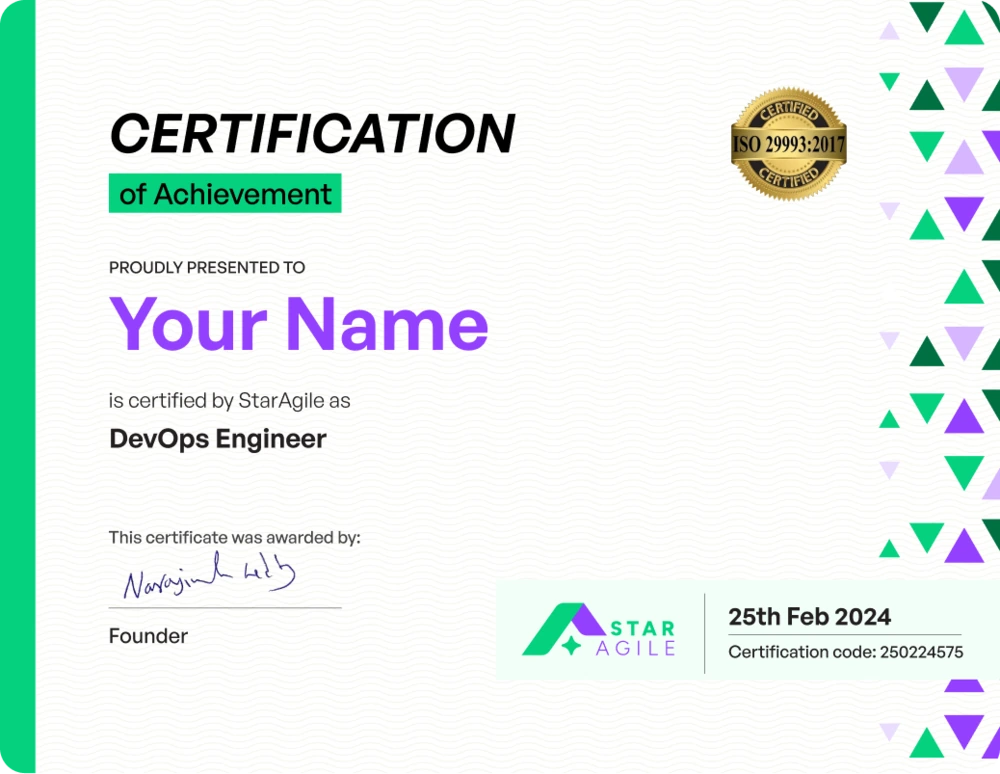
| Course Completion Certificate from StarAgile |
|
|
|
| Placement Assistance |

|
|
|
| Microsoft Certification* |
|
|
|
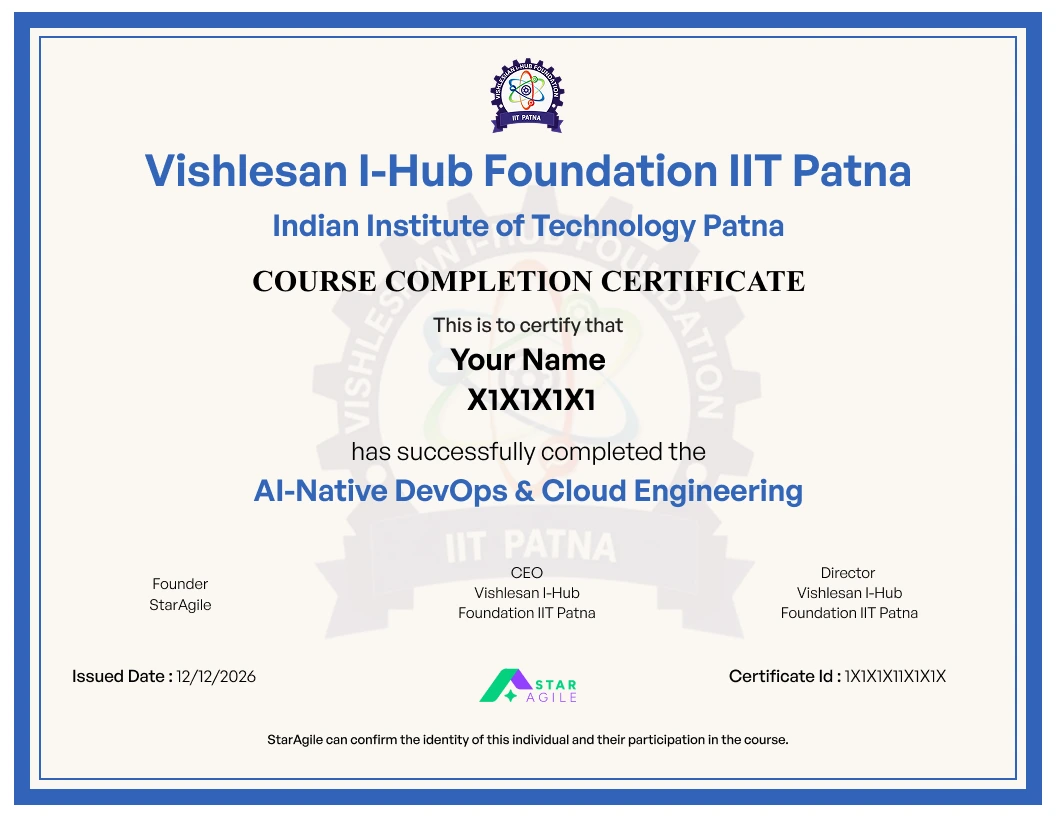
| Certification from TIH-IIT PATNA* |
|
|
|


Upcoming DevOps Training in Telugu Batches

Currently, we don't have any batch scheduled in your region.
You can request a new batch on your preferred date!



The work force is your asset. Up-Skill them with our Corporate Training Programs!
-
Unleash In-Demand Skills Across the Enterprise
-
Align Skill Development with Business Objectives
-
Drive Increased Employee Productivity
-
Leverage Immersive Learning
DevOps Course in Telugu - Overview

How DevOps Certification Impacts Your Career
Earning a DevOps course in Telugu certification validates your skills to employers globally, setting you apart in a competitive job market. It demonstrates hands-on expertise across the complete DevOps toolchain — making you a confident, job-ready professional from day one.
What the Certification Offers
- 6-month internship training certificate
- Letter of recommendation for eligible candidates
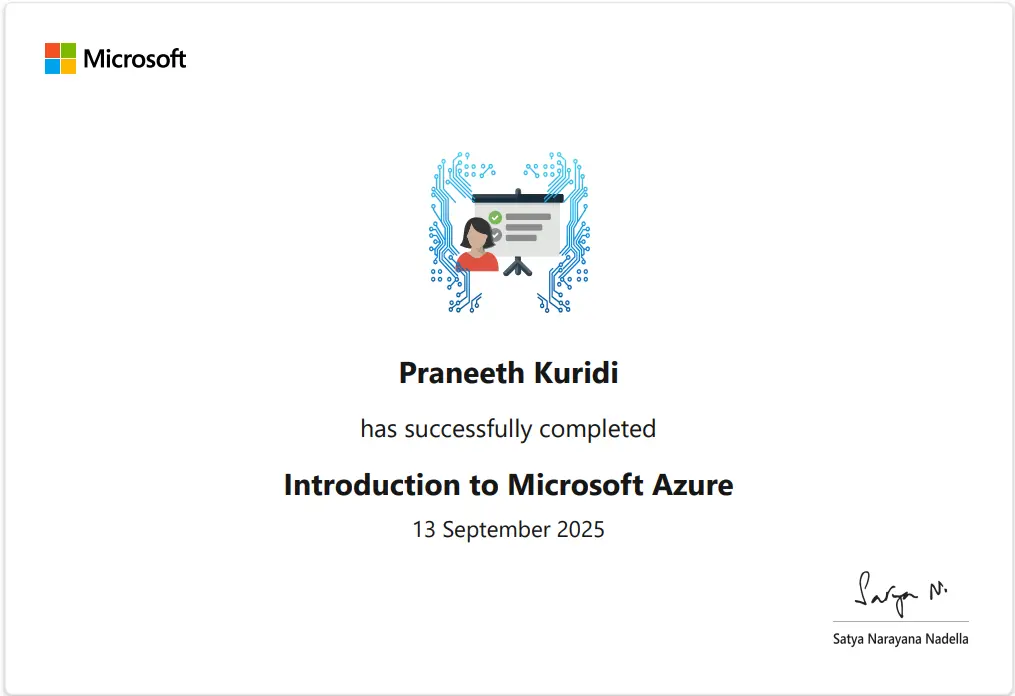
- Microsoft Azure certification is included in the program
- Preparation support for AWS Solutions Architect Associate, CKA, Terraform Associate, and Docker Certified Associate exams
- Lifetime LMS access for continuous exam revision and upskilling
Career Impact
- Unlocks higher salary brackets — certified professionals earn significantly more than non-certified peers
- Builds recruiter confidence, leading to faster interview calls
- Prepares you for advanced roles like DevSecOps Engineer and Cloud Architect
DevOps Course in Telugu — Eligibility and Prerequisites
One of the biggest advantages of this DevOps course in Telugu is its inclusivity. There are no strict eligibility criteria or mandatory prerequisites.
Who Can Apply
- Fresh graduates from any academic background
- Working IT professionals — developers, testers, system administrators
- Non-IT professionals looking to transition into tech
- Students with limited English proficiency seeking native-language instruction
Prerequisites
- No prior coding experience required
- No Computer Science degree is mandatory
- A willingness to learn and commit to the program schedule is all you need
DevOps Certificate
- Internship Certificate
- Course Certificate
- Microsoft Certificate
- AI-Native DevOps
Skills Covered
-
Application Development Fundamentals
-
Structured Query Language (SQL)
-
Linux Fundamentals
-
AWS Fundamentals
-
DevOps Overview
-
Managing Source Code – Git and GitHub
-
Understanding and Using Build Tools
-
Continuous Testing with Selenium
-
Continuous Integration Using Jenkins
-
Containerization, Docker, and Docker Hub
-
Configuration Management Using Ansible
-
Container Orchestration Using Kubernetes
-
Monitoring and Logging Using Nagios
-
Infrastructure as Code (IaC) Using Terraform
-
Continuous Deployment Using AWS Services
Tools Covered










Capstone Projects
DevOps Training in Telugu - Certification FAQs
A DevOps course in Telugu acts as a complete career launchpad, teaching everything from Linux and AWS to CI/CD, Docker, Kubernetes, Ansible, and Terraform — all in your native language. StarAgile's DevOps training in Telugu offers 150+ hours of live training, 3 capstone projects, Generative AI integration, and 100% placement assistance, giving you a structured path into one of tech's fastest-growing fields.
After completing DevOps training in Telugu, you start as a junior DevOps or Cloud Engineer, progress to Senior DevOps Engineer or SRE with 2–3 years of experience, and eventually grow into Cloud Architect or DevOps Lead roles. StarAgile's DevOps course in Telugu covers the full roadmap — from Linux and Git to Kubernetes, Terraform, and DevOps with AI.
After your DevOps course in Telugu, deepen your expertise in AWS toward the Solutions Architect Professional certification, explore Azure and GCP, master advanced Terraform and Ansible, and strengthen Python and Bash scripting. StarAgile's DevOps certification training in Telugu also includes a DevOps with AI module, which you should continue building on as AI-native tooling becomes increasingly central.
StarAgile's DevOps training in Telugu spans 4–5 months and includes 150+ hours of live instruction, 100+ hours of practical assignments, 3 capstone projects, and weekly mentorship. With an additional 1–2 months of placement support, most learners land their first DevOps job within 5–7 months of enrolling in the DevOps course online in Telugu.
Yes, though you don't need to be a software developer. After your DevOps course in Telugu, you'll regularly use Python for automation, Bash for Linux management, and YAML for pipelines and Kubernetes manifests. StarAgile includes Python as a self-paced LMS module within the DevOps in Telugu curriculum, covering the coding skills needed for CI/CD scripts and Infrastructure as Code.
Python is the most valuable language to learn after DevOps training in Telugu — versatile, readable, and ideal for automation, monitoring scripts, and API integration. StarAgile includes Python as a self-paced module in the DevOps in Telugu LMS. Bash scripting is equally essential for Linux work, and basic familiarity with Go or Ruby adds an extra advantage.
Linux underpins virtually every server, cloud instance, and container environment in DevOps. Whether deploying on AWS EC2, managing Docker containers, or writing Ansible playbooks, you'll always be in a Linux environment. StarAgile's DevOps course in Telugu dedicates an entire module to Linux Fundamentals — covering architecture, commands, file permissions, shell scripting, and SSH — with hands-on labs throughout.
Git is the backbone of every DevOps workflow — every code file, config, and pipeline definition is tracked through it. StarAgile's DevOps training in Telugu dedicates a full module to Git and GitHub, covering branching strategies, merging, rebasing, stashing, and integration with Jenkins and VS Code. Mastering Git is non-negotiable at every stage of the DevOps career roadmap.
CI/CD is the core practice DevOps delivers — automatically building, testing, and deploying code to reduce release cycles from months to hours. After your DevOps course in Telugu, it is the topic employers assess most frequently. StarAgile's DevOps certification training in Telugu covers CI/CD through Jenkins pipelines, AWS CodePipeline, CodeBuild, and CodeDeploy with real hands-on lab sessions.
Absolutely. Jenkins remains a staple in enterprise DevOps environments in 2026. StarAgile's DevOps certification training in Telugu covers Jenkins installation, master-slave architecture, freestyle jobs, scripted and declarative pipelines, webhook triggers, and email notifications. Even as GitLab CI and GitHub Actions grow, expertise in Jenkins remains a requirement in a large share of DevOps job descriptions.
Docker ensures consistent application deployments across development, testing, and production by packaging apps and dependencies into containers. After DevOps training in Telugu, Docker is one of the first skills interviewers assess. StarAgile's program covers Docker architecture, Dockerfiles, Docker Hub, Docker Compose, Docker Volume, and Docker Swarm through hands-on labs on AWS EC2.
Kubernetes is the industry standard for container orchestration at scale — ensuring containers run reliably, scale automatically, and recover from failures. StarAgile's DevOps in Telugu program covers Kubernetes architecture, Minikube, EKS, Pods, Deployments, rolling updates, services, and namespaces with practical YAML-based labs. Kubernetes expertise directly unlocks senior DevOps Engineer and SRE roles.
AWS is the platform to prioritise first after your DevOps course in Telugu — StarAgile's curriculum begins with AWS Solutions Architect for good reason, as AWS holds the largest share of the cloud market. The training covers EC2, VPC, S3, RDS, IAM, Lambda, and AWS DevOps services. Microsoft Azure Fundamentals is also included as a self-paced module for multi-cloud readiness.
AWS powers the majority of enterprise DevOps pipelines today. As a DevOps Engineer, you'll use EC2 for servers, S3 for artifacts, IAM for access, CodePipeline for deployments, and CloudWatch for monitoring. StarAgile's DevOps certification training in Telugu dedicates two full modules to AWS, and holding an AWS certification post-training significantly boosts both salary expectations and employability.
Terraform is now the industry standard for Infrastructure as Code and is increasingly required in mid- to senior-level DevOps roles. After DevOps training in Telugu, Terraform lets you provision and manage AWS resources through configuration files rather than manual clicks. StarAgile's program covers Terraform architecture and commands, AWS resource management, and an end-to-end infrastructure capstone project.
Both are part of the DevOps certification course in Telugu and serve complementary purposes — Terraform for provisioning infrastructure, Ansible for configuring it. Most practitioners recommend starting with Ansible because its YAML-based playbook syntax is more beginner-friendly. Terraform builds naturally on that foundation. StarAgile's curriculum is structured this way, with Ansible coming before Terraform.
A DevOps Engineer's daily work involves building and maintaining CI/CD pipelines, managing cloud infrastructure, automating manual processes, reviewing container logs, and responding to monitoring alerts. StarAgile's DevOps telugu capstone projects — a 3-tier AWS architecture, an e-commerce CI/CD pipeline, and a food delivery app deployment using Jenkins, Docker, Kubernetes, and Terraform — simulate these exact real-world responsibilities.
DevOps Engineers focus on faster software delivery through better processes and tooling, while SREs focus on production system reliability and uptime using engineering principles. In practice, the roles overlap heavily. StarAgile's DevOps training in Telugu prepares you for both, covering Prometheus and Grafana monitoring, automated incident response pipelines, and infrastructure automation — all core to SRE work.
Yes. StarAgile's DevOps course in Telugu is designed for freshers, with multiple placement success stories to prove it — including Kishore PS, who secured a Cloud Engineer role with a 100% salary increase, and Sourabh D, placed as a DevOps Engineer, both joining as freshers. Success depends on maintaining 75%+ attendance, completing projects on time, and clearing the competency test.
After your DevOps certification in Telugu, first target the AWS Solutions Architect Associate — the training comprehensively prepares you for it. The Microsoft Azure Fundamentals (AZ-900) certification is also included in the program. Further, pursue the Certified Kubernetes Administrator (CKA), HashiCorp Terraform Associate, and Docker Certified Associate. StarAgile's DevOps certification training in Telugu provides lifetime LMS access for exam preparation.
After your DevOps course in Telugu, expect interview questions on the DevOps lifecycle, the difference between CI and CD, Git branching strategies, Jenkins pipeline structure, Docker vs. virtual machines, Kubernetes Pods and Deployments, Ansible playbooks vs. ad hoc commands, and Terraform state management. StarAgile's DevOps certification training in Telugu includes dedicated module-wise interview questions and mock interview sessions to thoroughly prepare you.
After completing DevOps training in Telugu, freshers can expect a starting salary of 5–7 LPA. Mid-level professionals with 2–4 years of experience earn ₹10–20 lakhs annually, while senior DevOps Engineers with expertise in AWS and Kubernetes earn ₹20–33 lakhs annually. StarAgile's data shows an average 82% salary hike for placed candidates, with the highest CTC reported at 25 LPA through the DevOps certification training in Telugu.
System Administrators are ideally positioned for DevOps — their existing knowledge of Linux, servers, and infrastructure forms the exact foundation DevOps builds on. After DevOps training in Telugu, SysAdmins simply add Git, Jenkins, Docker, Kubernetes, Ansible, and Terraform to their skillset. StarAgile alumnus Vijay Kumar made this exact transition and landed a DevOps Engineer role with an 85% salary hike.
After a DevOps course in Telugu, you can progress from DevOps Engineer to Senior DevOps Engineer, SRE, DevSecOps Engineer, Cloud Architect, DevOps Lead, Infrastructure Manager, and eventually Director of Engineering or VP of Cloud Operations. StarAgile's DevOps in Telugu curriculum — covering AWS, Azure, Kubernetes, and Generative AI — ensures you remain competitive and promotable at every career stage.
Yes — Cloud Architect is one of the most natural progressions from a DevOps Engineer role. StarAgile's DevOps certification training in Telugu starts with AWS Solutions Architect concepts covering VPC design, multi-AZ deployments, ELB, Auto Scaling, and security — the exact building blocks of cloud architecture. With 3–5 years of experience and an AWS Solutions Architect Professional certification, this transition becomes very achievable.
After DevOps training in Telugu, prioritise Prometheus for metrics collection and Grafana for dashboard visualisation — both are included in StarAgile's curriculum and feature in the capstone projects of the DevOps certification course in Telugu. Additionally, familiarity with AWS CloudWatch, the ELK Stack (Elasticsearch, Logstash, Kibana), and Nagios is valuable for senior DevOps and SRE roles.
DevSecOps integrates security directly into the DevOps pipeline rather than treating it as a final step. It has become a critical and highly paid specialisation. After your DevOps course in Telugu, adding DevSecOps skills — static code analysis, vulnerability scanning, secrets management, and container security — makes you significantly more marketable. StarAgile's DevOps certification training in Telugu already provides a strong foundation in IAM, VPC security, and code quality tools.
AI is amplifying DevOps — not replacing it. Tools like GitHub Copilot, AI-integrated Kubernetes, and Jenkins AI plugins automate repetitive tasks and improve pipeline efficiency. StarAgile has embedded a dedicated "DevOps with AI" module into its DevOps training in Telugu, covering Generative AI tools, predictive analytics, anomaly detection, and K8sGPT for Kubernetes troubleshooting — making graduates significantly more attractive to modern employers.
After your DevOps certification training in Telugu, the key 2026 trends to follow include AI-native DevOps workflows, Platform Engineering, GitOps for declarative infrastructure, FinOps for cloud cost management, DevSecOps, and edge computing. Multi-cloud adoption is accelerating, making the AWS and Azure foundation from the DevOps in Telugu program increasingly valuable. StarAgile regularly updates its curriculum — the Generative AI module reflects exactly this forward-looking approach.
Absolutely. The DevOps market is projected to grow from $10.4 billion in 2023 to $25.5 billion by 2028 at a 19.7% CAGR, with DevOps job postings growing 25% annually. StarAgile's DevOps course in Telugu — backed by a 95% placement rate, 300,000+ professionals trained across 100+ countries, and 560+ active job openings through hiring partners — makes it one of the smartest technology career investments you can make in 2026.
DevOps Certification in Telugu - Career Roadmap FAQs
A DevOps course in Telugu acts as a complete career launchpad, teaching everything from Linux and AWS to CI/CD, Docker, Kubernetes, Ansible, and Terraform — all in your native language. StarAgile's DevOps training in Telugu offers 150+ hours of live training, 3 capstone projects, Generative AI integration, and 100% placement assistance, giving you a structured path into one of tech's fastest-growing fields.
After completing DevOps training in Telugu, you start as a junior DevOps or Cloud Engineer, progress to Senior DevOps Engineer or SRE with 2–3 years of experience, and eventually grow into Cloud Architect or DevOps Lead roles. StarAgile's DevOps course in Telugu covers the full roadmap — from Linux and Git to Kubernetes, Terraform, and DevOps with AI.
After your DevOps course in Telugu, deepen your expertise in AWS toward the Solutions Architect Professional certification, explore Azure and GCP, master advanced Terraform and Ansible, and strengthen Python and Bash scripting. StarAgile's DevOps certification training in Telugu also includes a DevOps with AI module, which you should continue building on as AI-native tooling becomes increasingly central.
StarAgile's DevOps training in Telugu spans 4–5 months and includes 150+ hours of live instruction, 100+ hours of practical assignments, 3 capstone projects, and weekly mentorship. With an additional 1–2 months of placement support, most learners land their first DevOps job within 5–7 months of enrolling in the DevOps course online in Telugu.
Yes, though you don't need to be a software developer. After your DevOps course in Telugu, you'll regularly use Python for automation, Bash for Linux management, and YAML for pipelines and Kubernetes manifests. StarAgile includes Python as a self-paced LMS module within the DevOps in Telugu curriculum, covering the coding skills needed for CI/CD scripts and Infrastructure as Code.
Python is the most valuable language to learn after DevOps training in Telugu — versatile, readable, and ideal for automation, monitoring scripts, and API integration. StarAgile includes Python as a self-paced module in the DevOps in Telugu LMS. Bash scripting is equally essential for Linux work, and basic familiarity with Go or Ruby adds an extra advantage.
Linux underpins virtually every server, cloud instance, and container environment in DevOps. Whether deploying on AWS EC2, managing Docker containers, or writing Ansible playbooks, you'll always be in a Linux environment. StarAgile's DevOps course in Telugu dedicates an entire module to Linux Fundamentals — covering architecture, commands, file permissions, shell scripting, and SSH — with hands-on labs throughout.
Git is the backbone of every DevOps workflow — every code file, config, and pipeline definition is tracked through it. StarAgile's DevOps training in Telugu dedicates a full module to Git and GitHub, covering branching strategies, merging, rebasing, stashing, and integration with Jenkins and VS Code. Mastering Git is non-negotiable at every stage of the DevOps career roadmap.
CI/CD is the core practice DevOps delivers — automatically building, testing, and deploying code to reduce release cycles from months to hours. After your DevOps course in Telugu, it is the topic employers assess most frequently. StarAgile's DevOps certification training in Telugu covers CI/CD through Jenkins pipelines, AWS CodePipeline, CodeBuild, and CodeDeploy with real hands-on lab sessions.
Absolutely. Jenkins remains a staple in enterprise DevOps environments in 2026. StarAgile's DevOps certification training in Telugu covers Jenkins installation, master-slave architecture, freestyle jobs, scripted and declarative pipelines, webhook triggers, and email notifications. Even as GitLab CI and GitHub Actions grow, expertise in Jenkins remains a requirement in a large share of DevOps job descriptions.
Docker ensures consistent application deployments across development, testing, and production by packaging apps and dependencies into containers. After DevOps training in Telugu, Docker is one of the first skills interviewers assess. StarAgile's program covers Docker architecture, Dockerfiles, Docker Hub, Docker Compose, Docker Volume, and Docker Swarm through hands-on labs on AWS EC2.
Kubernetes is the industry standard for container orchestration at scale — ensuring containers run reliably, scale automatically, and recover from failures. StarAgile's DevOps in Telugu program covers Kubernetes architecture, Minikube, EKS, Pods, Deployments, rolling updates, services, and namespaces with practical YAML-based labs. Kubernetes expertise directly unlocks senior DevOps Engineer and SRE roles.
AWS is the platform to prioritise first after your DevOps course in Telugu — StarAgile's curriculum begins with AWS Solutions Architect for good reason, as AWS holds the largest share of the cloud market. The training covers EC2, VPC, S3, RDS, IAM, Lambda, and AWS DevOps services. Microsoft Azure Fundamentals is also included as a self-paced module for multi-cloud readiness.
AWS powers the majority of enterprise DevOps pipelines today. As a DevOps Engineer, you'll use EC2 for servers, S3 for artifacts, IAM for access, CodePipeline for deployments, and CloudWatch for monitoring. StarAgile's DevOps certification training in Telugu dedicates two full modules to AWS, and holding an AWS certification post-training significantly boosts both salary expectations and employability.
Terraform is now the industry standard for Infrastructure as Code and is increasingly required in mid- to senior-level DevOps roles. After DevOps training in Telugu, Terraform lets you provision and manage AWS resources through configuration files rather than manual clicks. StarAgile's program covers Terraform architecture and commands, AWS resource management, and an end-to-end infrastructure capstone project.
Both are part of the DevOps certification course in Telugu and serve complementary purposes — Terraform for provisioning infrastructure, Ansible for configuring it. Most practitioners recommend starting with Ansible because its YAML-based playbook syntax is more beginner-friendly. Terraform builds naturally on that foundation. StarAgile's curriculum is structured this way, with Ansible coming before Terraform.
A DevOps Engineer's daily work involves building and maintaining CI/CD pipelines, managing cloud infrastructure, automating manual processes, reviewing container logs, and responding to monitoring alerts. StarAgile's DevOps telugu capstone projects — a 3-tier AWS architecture, an e-commerce CI/CD pipeline, and a food delivery app deployment using Jenkins, Docker, Kubernetes, and Terraform — simulate these exact real-world responsibilities.
DevOps Engineers focus on faster software delivery through better processes and tooling, while SREs focus on production system reliability and uptime using engineering principles. In practice, the roles overlap heavily. StarAgile's DevOps training in Telugu prepares you for both, covering Prometheus and Grafana monitoring, automated incident response pipelines, and infrastructure automation — all core to SRE work.
Yes. StarAgile's DevOps course in Telugu is designed for freshers, with multiple placement success stories to prove it — including Kishore PS, who secured a Cloud Engineer role with a 100% salary increase, and Sourabh D, placed as a DevOps Engineer, both joining as freshers. Success depends on maintaining 75%+ attendance, completing projects on time, and clearing the competency test.
After your DevOps certification in Telugu, first target the AWS Solutions Architect Associate — the training comprehensively prepares you for it. The Microsoft Azure Fundamentals (AZ-900) certification is also included in the program. Further, pursue the Certified Kubernetes Administrator (CKA), HashiCorp Terraform Associate, and Docker Certified Associate. StarAgile's DevOps certification training in Telugu provides lifetime LMS access for exam preparation.
After your DevOps course in Telugu, expect interview questions on the DevOps lifecycle, the difference between CI and CD, Git branching strategies, Jenkins pipeline structure, Docker vs. virtual machines, Kubernetes Pods and Deployments, Ansible playbooks vs. ad hoc commands, and Terraform state management. StarAgile's DevOps certification training in Telugu includes dedicated module-wise interview questions and mock interview sessions to thoroughly prepare you.
After completing DevOps training in Telugu, freshers can expect a starting salary of 5–7 LPA. Mid-level professionals with 2–4 years of experience earn ₹10–20 lakhs annually, while senior DevOps Engineers with expertise in AWS and Kubernetes earn ₹20–33 lakhs annually. StarAgile's data shows an average 82% salary hike for placed candidates, with the highest CTC reported at 25 LPA through the DevOps certification training in Telugu.
System Administrators are ideally positioned for DevOps — their existing knowledge of Linux, servers, and infrastructure forms the exact foundation DevOps builds on. After DevOps training in Telugu, SysAdmins simply add Git, Jenkins, Docker, Kubernetes, Ansible, and Terraform to their skillset. StarAgile alumnus Vijay Kumar made this exact transition and landed a DevOps Engineer role with an 85% salary hike.
After a DevOps course in Telugu, you can progress from DevOps Engineer to Senior DevOps Engineer, SRE, DevSecOps Engineer, Cloud Architect, DevOps Lead, Infrastructure Manager, and eventually Director of Engineering or VP of Cloud Operations. StarAgile's DevOps in Telugu curriculum — covering AWS, Azure, Kubernetes, and Generative AI — ensures you remain competitive and promotable at every career stage.
Yes — Cloud Architect is one of the most natural progressions from a DevOps Engineer role. StarAgile's DevOps certification training in Telugu starts with AWS Solutions Architect concepts covering VPC design, multi-AZ deployments, ELB, Auto Scaling, and security — the exact building blocks of cloud architecture. With 3–5 years of experience and an AWS Solutions Architect Professional certification, this transition becomes very achievable.
After DevOps training in Telugu, prioritise Prometheus for metrics collection and Grafana for dashboard visualisation — both are included in StarAgile's curriculum and feature in the capstone projects of the DevOps certification course in Telugu. Additionally, familiarity with AWS CloudWatch, the ELK Stack (Elasticsearch, Logstash, Kibana), and Nagios is valuable for senior DevOps and SRE roles.
DevSecOps integrates security directly into the DevOps pipeline rather than treating it as a final step. It has become a critical and highly paid specialisation. After your DevOps course in Telugu, adding DevSecOps skills — static code analysis, vulnerability scanning, secrets management, and container security — makes you significantly more marketable. StarAgile's DevOps certification training in Telugu already provides a strong foundation in IAM, VPC security, and code quality tools.
AI is amplifying DevOps — not replacing it. Tools like GitHub Copilot, AI-integrated Kubernetes, and Jenkins AI plugins automate repetitive tasks and improve pipeline efficiency. StarAgile has embedded a dedicated "DevOps with AI" module into its DevOps training in Telugu, covering Generative AI tools, predictive analytics, anomaly detection, and K8sGPT for Kubernetes troubleshooting — making graduates significantly more attractive to modern employers.
After your DevOps certification training in Telugu, the key 2026 trends to follow include AI-native DevOps workflows, Platform Engineering, GitOps for declarative infrastructure, FinOps for cloud cost management, DevSecOps, and edge computing. Multi-cloud adoption is accelerating, making the AWS and Azure foundation from the DevOps in Telugu program increasingly valuable. StarAgile regularly updates its curriculum — the Generative AI module reflects exactly this forward-looking approach.
Absolutely. The DevOps market is projected to grow from $10.4 billion in 2023 to $25.5 billion by 2028 at a 19.7% CAGR, with DevOps job postings growing 25% annually. StarAgile's DevOps course in Telugu — backed by a 95% placement rate, 300,000+ professionals trained across 100+ countries, and 560+ active job openings through hiring partners — makes it one of the smartest technology career investments you can make in 2026.
Distinctions and Achievements
About DevOps Certification Course in Telugu
What is a DevOps Course in Telugu?
A DevOps course in Telugu is a structured, native-language training program that teaches you how to bridge software development and IT operations efficiently. It covers essential tools and practices, including Linux, Git, CI/CD pipelines, Docker, Kubernetes, Ansible, Terraform, and cloud platforms like AWS and Azure — all explained in Telugu. Designed for both beginners and working professionals, a DevOps course in Telugu eliminates language barriers, making advanced technical concepts easier to understand, retain, and apply. With hands-on labs, real-world projects, and placement support, it equips Telugu-speaking learners with globally recognised, job-ready DevOps skills. This course is specifically designed for Telugu-speaking learners who want to master DevOps without the barrier of language. Our experienced trainer explains every concept, tool, and real-world application entirely in Telugu, ensuring you grasp even the most complex DevOps topics with clarity and confidence. Whether you're a beginner or looking to advance your career, this Telugu-medium course makes your DevOps learning journey simple, relatable, and highly effective.
Benefits of DevOps Course in Telugu
What's Included
- 150+ hours of live instructor-led DevOps training in Telugu
- 100+ hours of hands-on practical assignments
- 3 real-world capstone projects simulating production environments
- Curriculum covering Linux, AWS, Git, Jenkins, Docker, Kubernetes, Ansible, Terraform, Prometheus, Grafana, and DevOps with AI
- Self-paced Python and Microsoft Azure modules on LMS
- Lifetime LMS access with recorded sessions
- Daily doubt-clearing sessions and weekly mentorship
Career Benefits
- Job roles unlocked: DevOps Engineer, Cloud Engineer, SRE, and Cloud Architect.
- Hiring partners include IBM, AWS, Microsoft, and 400+ companies
- 4 interview calls every month until placement is secured
- Resume building, mock interviews, and LinkedIn optimisation included
- Average 82% salary hike for placed candidates
- Salary packages ranging from 5 LPA to 25 LPA
- 95% placement rate across all batches
Why It Stands Out
Future-ready curriculum integrating Generative AI and multi-cloud training.DevOps certification in Telugu is recognised globally by top employers. Native-language instruction removes barriers for Telugu-speaking professionals. One of the most complete and career-focused DevOps course in Telugu available today
Comprehensive Training Solutions for Enterprises